How Often to Post Reels Without Running Dry
Choosing a cadence you can sustain, and what to do in the weeks you have nothing new to film.
Ask AI about this guide
In this guide
Choosing a sustainable cadence
Most creators find that posting three to four Reels per week is the sweet spot for consistency without burnout. This frequency allows you to maintain visibility in the feed while leaving enough breathing room for the editing and captioning work that follows filming.
The goal is not to flood the feed, but to create a rhythm that feels natural. If you film every day, you will likely hit a wall within two weeks. A three-day rotation gives you time to let ideas ferment and ensures that each video receives the attention it needs during post-production. Start with a lower number and only increase it if your workflow supports the extra output.
Batching your week in one sitting
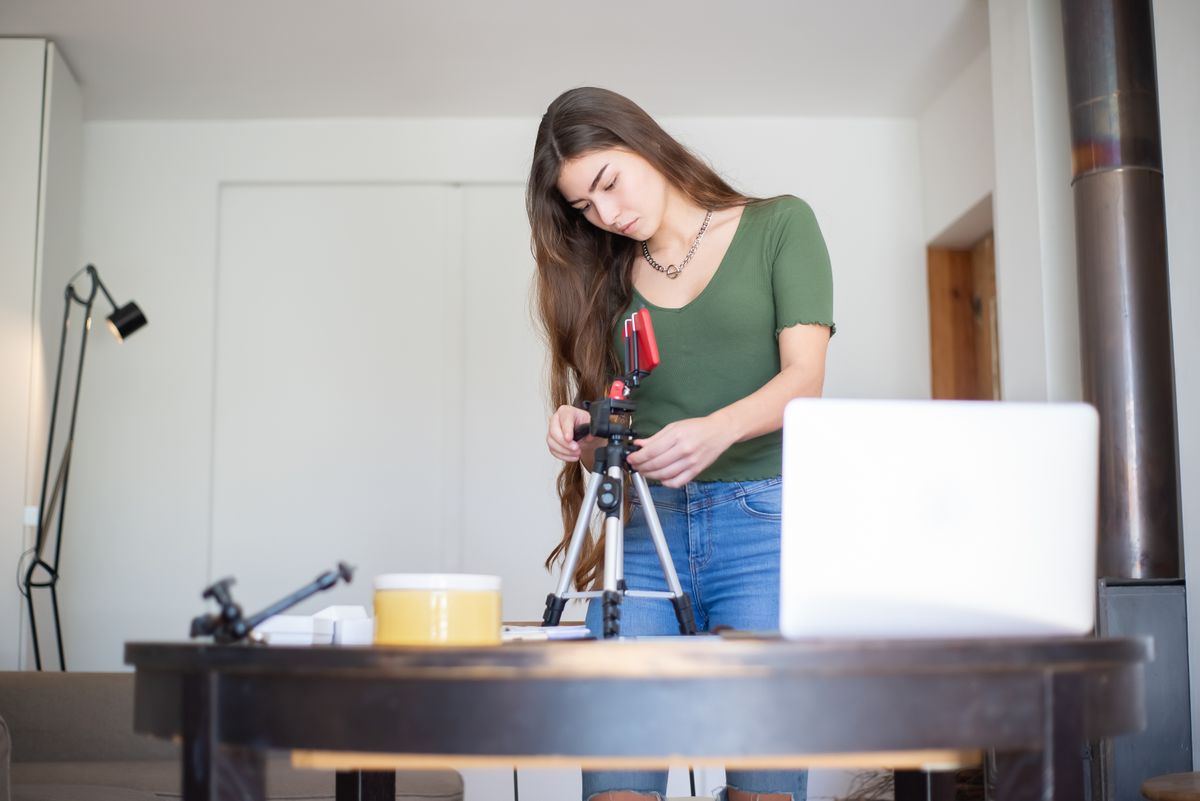
The most efficient way to hit your target is to film all content for the week in a single block. Set aside a specific evening, such as Sunday, to record five to seven short clips. This approach minimizes the setup time required for lighting, audio, and camera angles, which is often the biggest hidden cost of daily posting.
- Prepare your script or bullet points in advance so you are not staring at a blank screen.
- Change your outfit or location between takes to make the final edits feel dynamic.
- Record slightly more than you think you need; having extra footage gives you options during editing.
By treating the filming session as a production job rather than a daily chore, you reduce the mental load of deciding whether to post. The videos are already made; the only task left is to schedule them.

Managing the weeks you have nothing new
There will be weeks when inspiration runs dry or life gets in the way. Instead of scrambling to film last minute, rely on a content library. Revisit older videos that performed well and create new angles on the same topic. You can also use existing footage to answer common questions or demonstrate a product feature from a different perspective.
Another useful strategy is to break down longer content into smaller clips. If you have a detailed tutorial, you can split it into three separate Reels, each focusing on a specific step. This extends the life of your best material without requiring new filming. Consistency matters more than novelty, so a well-edited clip from last month is better than a rushed, low-quality video made in panic.
Scheduling to keep the rhythm
Once your videos are edited, the final step is to get them into the queue. Doing this manually every morning is a task that is easy to forget when the workday gets busy. A scheduling tool removes this friction by allowing you to upload and time your posts in advance.
Instalaz is a tool designed for planning and scheduling Instagram posts, allowing you to map out a week of content in one sitting. It is currently on a waitlist and not open to everyone yet. It does not buy followers, automate comments, run ads, or promise growth. It simply handles the logistics of getting your prepared work out into the world at the right time. For those who also manage other digital assets, Pracandy studio notes offer broader insights into independent digital workflows.